
A recent consumer test reported by China Central Television (CCTV) examined disposable facial towels and found that 21 out of 23 samples were not pure cotton, despite being marketed as “plant fibre.”
Some were primarily made of viscose or polyester blends, and traces of industrial processing residues such as carbon disulfide were discussed.
While the report focused on facial towels, the findings sparked broader conversations about wet wipes, disposable sheets, and other products that frequently touch skin, including baby’s skin.
This article aims to clarify the materials involved and explain what parents should understand.
Baby skin needs extra care
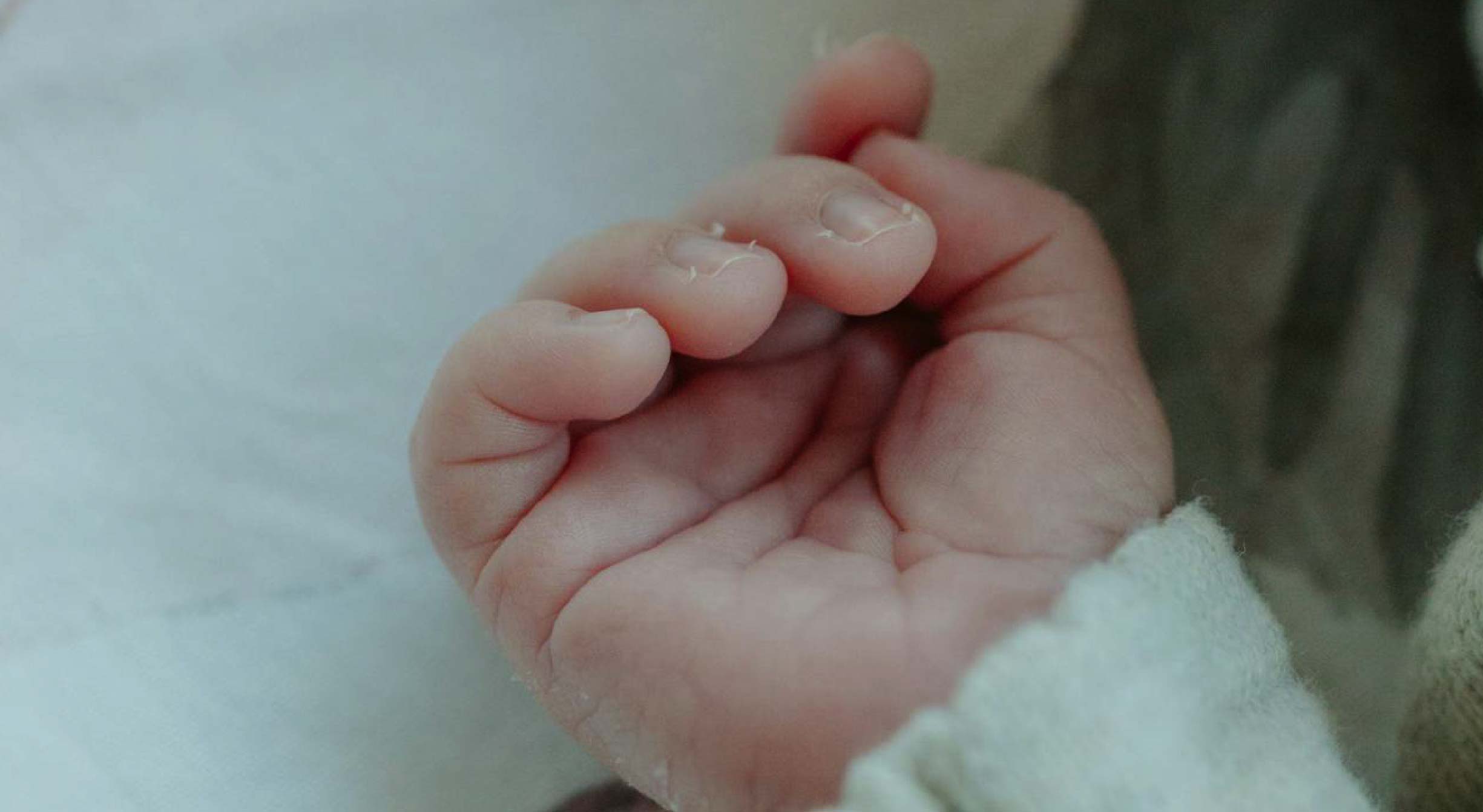
Newborn and infant skin is thinner and loses moisture more easily than adult skin. The skin barrier is still developing, which makes it more sensitive to friction and residues left behind after cleaning.
Because wipes are used frequently, even small exposures can add up over time.
Understanding Common Materials
Not all wipes or disposable towels are cotton, even when marketed as “natural” or “plant-based”. Here are the most common materials:
Polyester

Polyester is a synthetic fibre derived from petroleum.
Characteristics:
- Strong and durable
- Resistant to tearing
- Low absorbance
- Does not biodegrade easily
Potential concerns:
- Less breathable than cotton
- May increase friction on delicate skin
- Microplastic shedding is a broader environmental concern
Polyester itself is generally considered inert, but for babies with sensitive or eczema-prone skin, friction and breathability matter.
Viscose (Rayon)
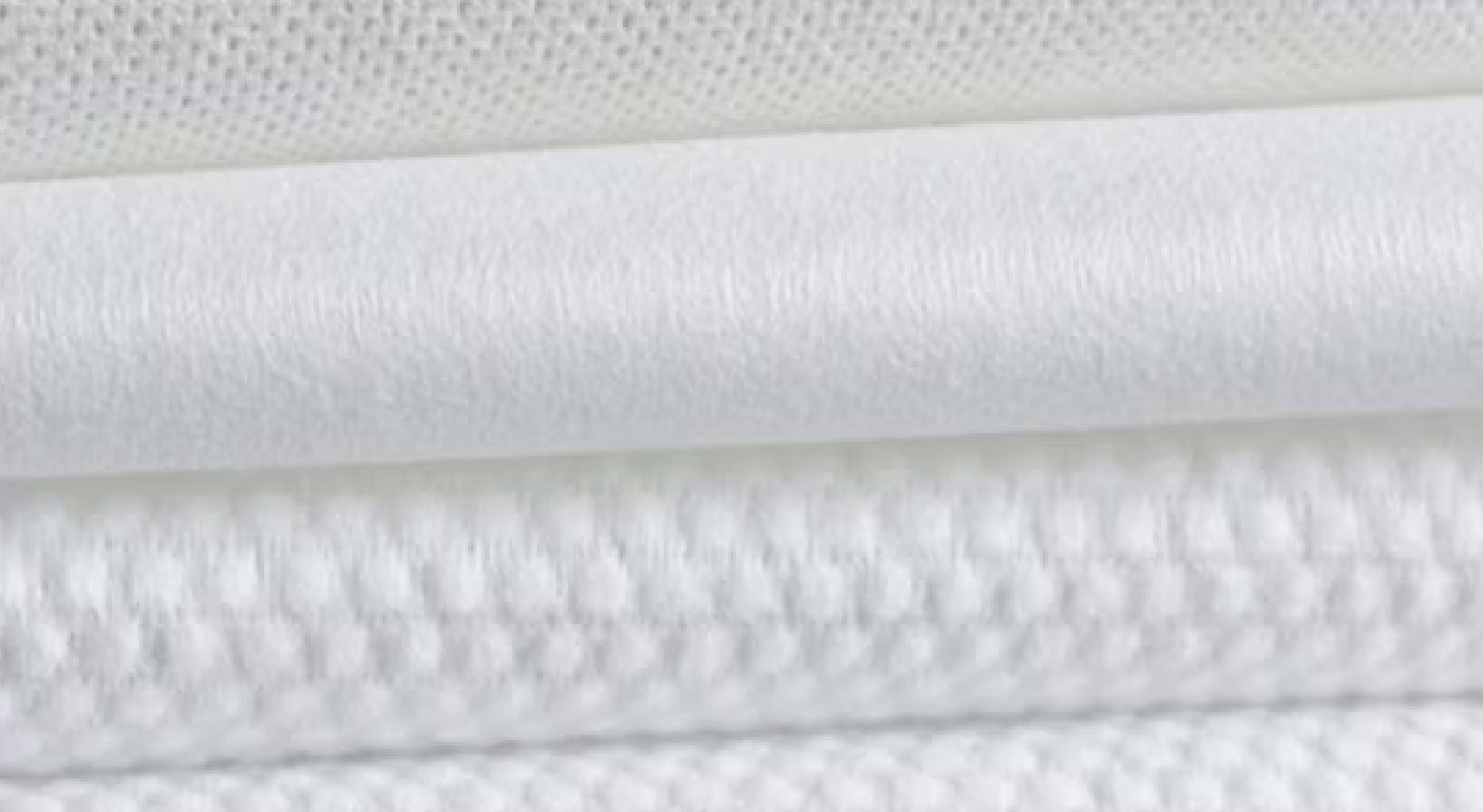
Viscose is often marketed as “plant fibre” because it starts from wood pulp.
However, it is a regenerated fibre, meaning:
- Wood pulp is chemically dissolved
- It is reprocessed into fibre
- Industrial solvents are used during manufacturing
One of the key chemicals historically used in viscose production is carbon disulfide.
What Is Carbon Disulfide?
Carbon disulfide is a chemical solvent used in the viscose manufacturing process.
In industrial exposure settings (factory-level), high levels have been linked to neurological and cardiovascular risks.
However, finished consumer products are not expected to contain high levels if properly processed and washed.
That said, the concern raised in the consumer test was about trace residues and transparency of processing methods.
Synthetic Fibre Blends
Many disposable towels and wipes are blends of:
- Polyester + viscose
- Polypropylene
- Other synthetic binders
These blends improve:
- Strength
- Cost efficiency
- Wet durability
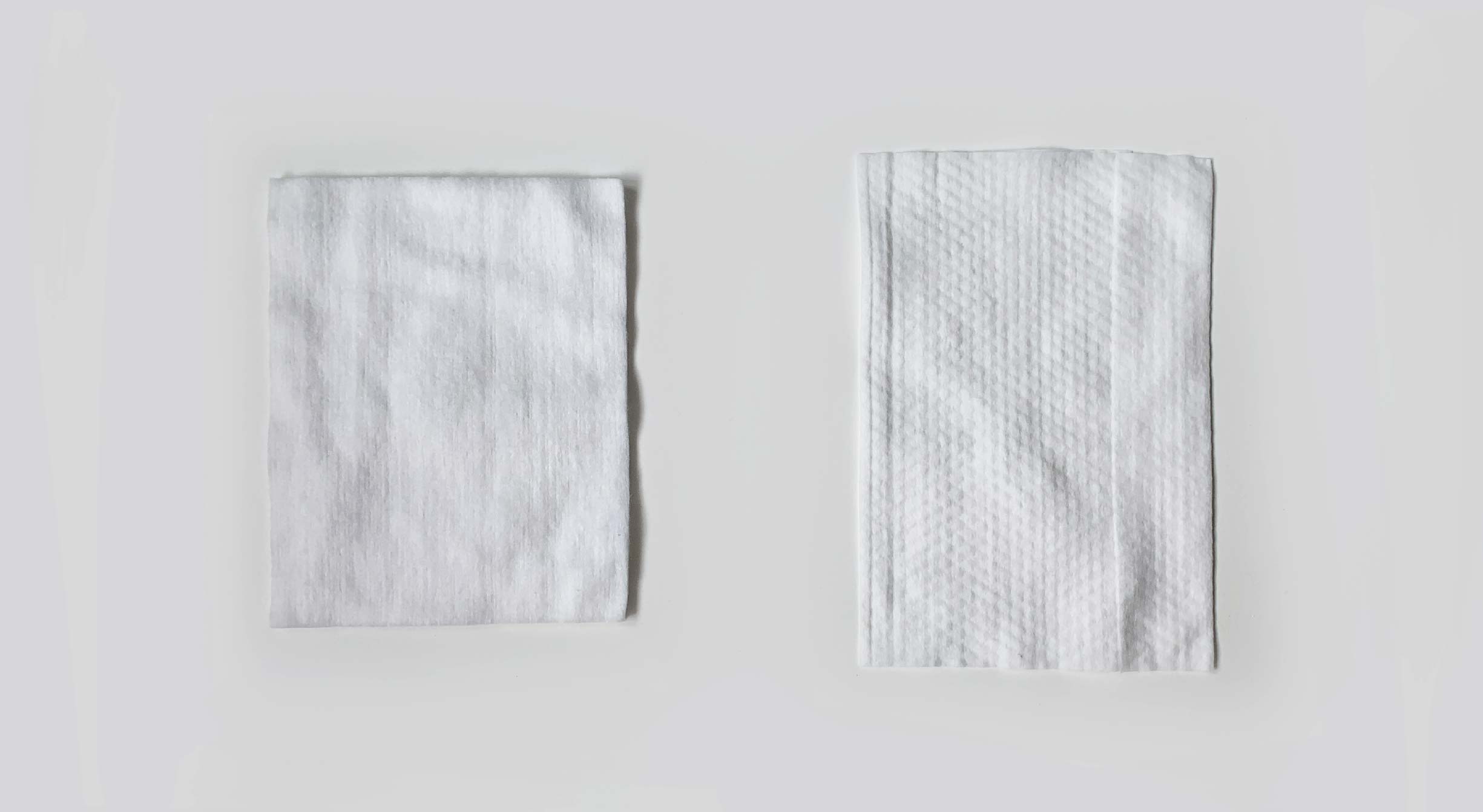
But they are not the same as 100% cotton, and they behave differently on skin.
Ingredients vs. Material

Wet wipes contain two components:
- The fabric material
- The liquid formulation
The liquid may contain:
- Preservatives
- Surfactants
- Fragrance
- Botanical extracts
Frequent use increases cumulative exposure.
This does not mean wipes are unsafe but it highlights why some families prefer simpler routines for newborn stages.
Why cotton and water are often chosen
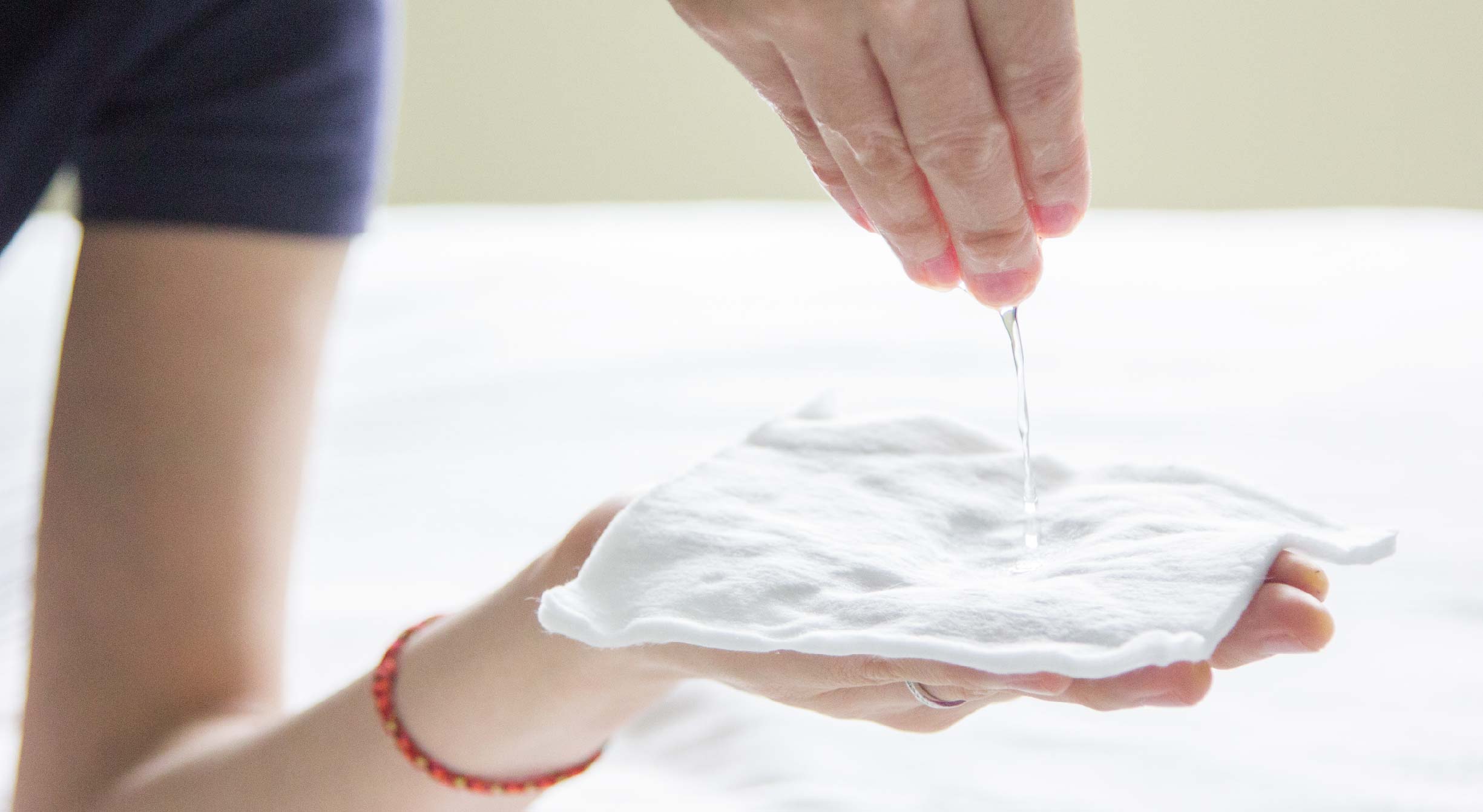
In medical settings, cotton and water are commonly used for newborn care because they are safe and gentle.
Using dry cotton with water:
- avoids added ingredients
- reduces unnecessary exposure
- allows gentler wiping with less friction
For sensitive-skin days or during the newborn stage, many families find this routine helpful.
What parents can take away
Instead of fear, focus on awareness:
- Check what wipes are made of, not just the front label
- Understand the difference between cotton and regenerated fibres
- Keep routines simple when skin is delicate
- Adjust based on how your baby’s skin responds
The consumer test serves as a reminder that material transparency matters for any product that touches the skin.
For parents who prefer a simpler approach especially newborn stage, pure cotton and water remain a gentle, time-tested option.